

The Andaz Xintiandi’s location hasn’t translated into profit (Image: Hyatt)
There have been numerous reports of declining property values in China, but a transaction late last month may provide the first example of a near half-stake in a Shanghai five-star hotel trading for the cost of an upscale condo.
Metro Land Corporation said in a December filing that it has acquired a 45 percent stake in the Andaz Xintiandi from its partner, Fosun Group, with the only cash compensation for the property being a RMB 35 million ($5 million) payment earmarked for taking over debt associated with the project.
That commitment puts the Beijing-based developer on the hook for RMB 2.53 billion ($363 million) in liabilities, with the 307-key hotel valued at about RMB 2 billion as of August, according to the statement.
In its statement, Metro Land positioned the deal as a way to turn around a loss-making enterprise. The acquisition will “further enhance the company’s control” over the hotel and “is conducive to improving its operational efficiency and profitability,” Metro Land said, with the Andaz Xintiandi having incurred a net loss of RMB 59 million in the first eight months of 2025.
History of Struggle
The Andaz’ 2025 struggles were a continuation of its challenges of the previous year, with the hotel having suffered a net loss of RMB 103 million in 2024.
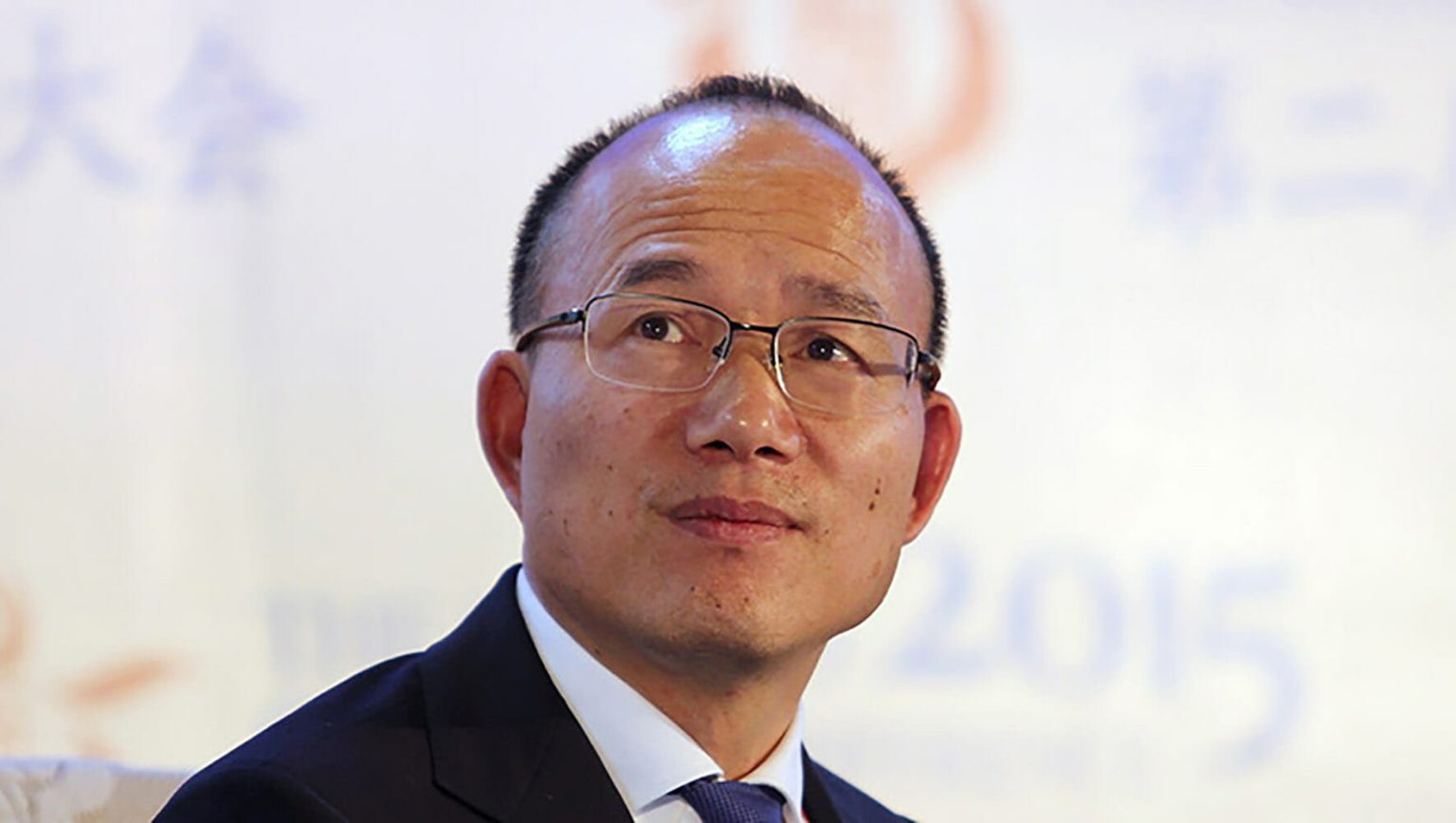
Guo Guangchang’s Fosun is cutting its losses in a challenging market (Getty Images)
Rooms in the Hyatt-managed property are available for RMB 2,000 per night, with there having been numerous changes in its ownership structure since the project began development around two decades ago.
Metro Land had acquired 55 percent of the hotel at 88 Songshang Road in Huangpu district from Hong Kong tycoon Vincent Lo Hong-shui’s Shui On Group through a pair of transactions in 2010 and 2018. A unit of Fosun Group obtained a 45 percent stake in the hotel in those same transactions.
In this latest transaction, Metro Land is receiving Fosun’s equity in the hotel free of charge, with the RMB 35 million payment linked to taking over RMB 209 million in debt owed to Fosun Group subsidiary Shanghai Forte Land.
In the same announcement, Metro Land said it would extend the maturity of RMB 650 million in shareholder loans it had provided to the ailing hotel for five years.
The buyout of the hotels comes after Metro Land had attempted to divest its interest in the hotel in late 2023 for a reported RMB 2.3 billion, excluding debt, before seeing that effort collapse.
Rough Hospitality Experience
The cut-rate equity sale continues what has been a winding path for the Andaz, which was developed as part of a twin tower hospitality project near the Xintiandi entertainment hub.
Paired with what is now the Langham Xintiandi to the west, the two projects were originally joint ventures between Shui On and Indonesian billionaire Leo KoGuan, with the Singapore-based investor holding an 85-percent stake at the time.
As the global financial crisis struck In 2008, KoGuan exited the project, with Shui On later acquiring its partners stake in the twin-hotel project for $123 million as the local government pushed to complete the properties before the 2010 expo in Shanghai.
“The product did not live up to expectations from day one and was overshadowed by the neighbouring Langham,” Dan Voellm, chief executive and founder of hotel consultancy AP Hospitality Advisors, told Mingtiandi.
“At the time, the domestic market was not familiar with the Andaz brand which did not carry the iconic Hyatt name. As a result, performance remained subdued despite benefitting from the Hyatt system and prime location,” he added.
Facing its own financial challenges in 2010, Shui On sold a one-third stake in the west tower to Great Eagle Group, the developer headed by Vincent Lo’s older brother Lo Ka-shui for HK$570 million, with that hotel taking on Great Eagle’s Langham brand.
In 2014, Shui On sold its remaining two-thirds stake in Langham Xintiandi to Great Eagle for approximately RMB 600 million.
Fighting Depression
While Metro Land points to opportunities to turn around the performance of the hotel, Voellm sees challenges remaining for what is now an aging property in a depressed market.
“Unless Metro Land understands the urgent need for a major renovation after 15 years in operation, the hotel is unlikely to see a turn of fortune as resources will remain limited,” Voellm said.
“There is also a chance that Hyatt would pull out of the property should ownership not commit the capEx to bring the property in line with current brand standards,” he added. “Even the best operator and asset managers can only do so much when ownership does not commit the necessary resources to keep the product competitive.”
Hyatt had not responded to inquiries from Mingtiandi by the time of publication.