

Saudi Arabia has quietly eased its decades-long ban on alcohol, allowing wealthy foreign residents to buy drinks for the first time in 73 yearsThe discreet policy shift, centred in Riyadh’s Diplomatic Quarter, signals one of the boldest moves under Crown Prince Mohammed bin Salman’s reformAnalysts said the move could pave the way for wider changes, potentially extending access to tourists in the futureSaudi Arabia has quietly begun allowing wealthy foreign residents to buy alcohol, marking a dramatic shift after a 73-year ban.
According to the BBC, the move was first tested in Riyadh’s Diplomatic Quarter, where a discreet store opened in January 2024.
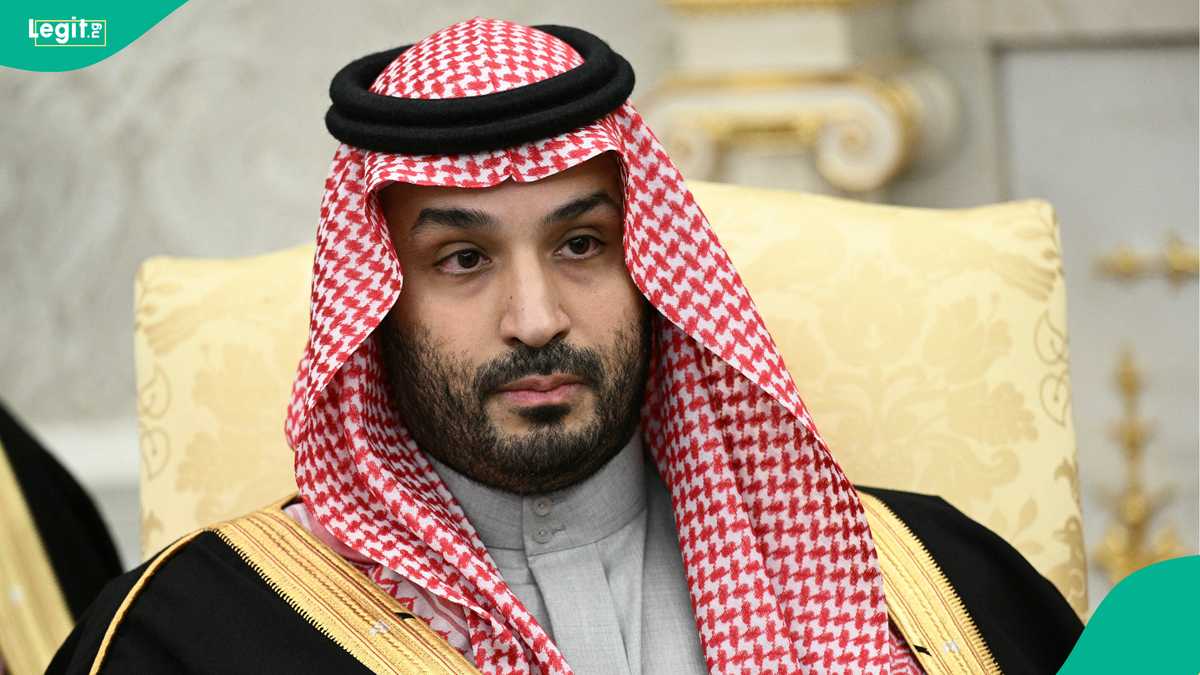
Saudi Arabia opens alcohol sales to wealthy expatriates in Riyadh’s Diplomatic Quarter amid Crown Prince Mohammed bin Salman’s reforms. Photo credit: Brendan Smilowski/Getty
Source: Getty ImagesInitially restricted to non-Muslim diplomats, the outlet expanded access at the end of 2025 to include affluent non-Muslim expatriates.
Eligibility rules for Saudi Arabia’s alcohol purchasesTo qualify, expatriates must either hold a Premium Residency permit, costing 100,000 Saudi riyals (£19,300) annually, or earn at least 50,000 riyals per month.
The BBC reported that customers are required to present their residence ID card, which confirms their religion and residency status, while those without permits must also provide a company-issued salary certificate. Foreign tourists remain excluded from the scheme.
Saudi Arabia’s strict controls and high pricesVisitors reported that mobile phones were sealed in tamper-proof bags before entry, with queues sometimes lasting over an hour.
Inside, the store was described as “well-stocked”, though prices were “two to three times” higher than in Western markets. One British executive said: “A bottle of Johnny Walker Black Label whisky costs me $124 (£90). But I don’t mind paying the premium.”
Alcohol purchases are regulated through a points-based monthly quota system, which customers said was generous enough to allow dozens of litres of spirits. Diplomats reportedly received discounts.
Saudi Arabia: Policy shift without official announcementThe Saudi government has not formally announced the change. Several buyers said they learned about the store through word of mouth, with one Asian expatriate noting: “A friend just shared the location with me on Google Maps.” Analysts suggested the ambiguity was intentional, reflecting the authorities’ cautious approach.
Sebastian Sons, a senior researcher at German think tank Carpo, said:
“They are willing to go two steps forward and one step back, if necessary, when it comes to sensitive issues. With alcohol, it could be the same.”Alcohol has long been prohibited under Islamic law, yet it has circulated privately for decades. Homemade brews, imported labels, and embassy supplies have sustained demand, while the black market offered expensive smuggled goods.
Saudi Arabia: Economic pressures behind reformThe timing of the policy shift coincided with growing economic pressures. With energy markets subdued and public finances tightening, Saudi Arabia has sought to attract foreign capital and high-skilled expatriates.
The kingdom scaled back ambitious projects such as the Neom mega-city, while easing rules for foreign property ownership and investment.
At the same time, Saudi Arabia has invested heavily in tourism, entertainment, and global sporting events.
Luxury resorts along the Red Sea coast have targeted Western travellers. Tourism Minister Ahmed Al Khateeb said in November 2025: “We want to double tourism’s contribution to the GDP by 2030.”
Saudi Arabia’s Vision 2030 and future outlookTourism remains central to Saudi Arabia’s Vision 2030 programme. In 2024, the country welcomed nearly 30 million international visitors, with non-religious travel accounting for more than half of arrivals. The kingdom aims to attract 70 million international tourists by 2030.
Commentators suggested that the alcohol policy could eventually extend to tourists, though for now, access remains limited to wealthy expatriates. The quiet expansion of legal alcohol sales has been described as one of the boldest experiments yet in Saudi Arabia’s ongoing social transformation.
Riyadh liquor store serves affluent foreigners as Saudi Arabia eases restrictions amid Crown Prince Mohammed bin Salman’s reforms. Photo credit: Brendan Smilowski/Getty
Source: Getty ImagesSaudi unveils airline to compete with rivalsLegit.ng earlier reported that Saudi Arabia announced the creation of a new national airline, part of a plan to turn Riyadh into a global aviation hub rivalling regional leaders like Dubai and Doha.
Riyadh Air “aims to launch flights to more than 100 destinations around the world by 2030,” the official Saudi Press Agency (SPA) reported.
The Gulf kingdom is pursuing ambitious aviation goals as part of Crown Prince Mohammed bin Salman’s wide-ranging “Vision 2030” reform agenda, including more than tripling annual traffic to 330 million passengers by the end of the decade. It also wants to move up to five million tonnes of cargo each year.
Proofreading by James Ojo, copy editor at Legit.ng.
Source: Legit.ng